
Garden Guide
Deep Watering vs. Frequent Sprinkling for Vegetables
Deep watering is useful only after a vegetable has enough roots to use the deeper soil. Seed rows and new transplants need regular moisture close to the surface. An established crop needs a slower soak that reaches the part of the bed its roots can use. Check the soil after a run. A timer cannot show how wet the roots are or whether the sprinkler missed part of the bed.
First check

Photo credit and license
Use this guide
Match watering depth to root development
A newly sown carrot row needs moisture near the surface until the seedlings are up. A new transplant also needs regular water while its roots move beyond the original root ball. Keep that first watering gentle enough that seed stays put and a small plant is not left in cold, saturated soil.
Once a crop is established, the useful depth changes. Utah State University groups salad crops, onions, radishes, and peppers in the shallow six- to twelve-inch range. Beans, carrots, cucumbers, and tomatoes commonly work from eighteen to twenty-four inches. Pumpkins and winter squash may use thirty inches or more in open ground. These are effective rooting depths, not a promise that every bed has loose soil that deep. A compacted or shallow bed can make the usable depth much less.
Make a deep soak reach the working roots
Put the water on the soil near the plant. A slow hose stream or drip line gives it time to enter instead of running down the path. After a normal run, use a trowel or soil probe beside the crop. Damp soil offers less resistance than dry soil.
The shape of wet soil below a drip emitter is called the wetting pattern. In sand, water tends to move down in a narrow column. Clay spreads it farther sideways but takes it in slowly. Check near an emitter and in the space between emitters. If the space stays dry, the system needs closer coverage or a longer run. If water puddles on clay, pause the flow and let the soil absorb it before continuing.
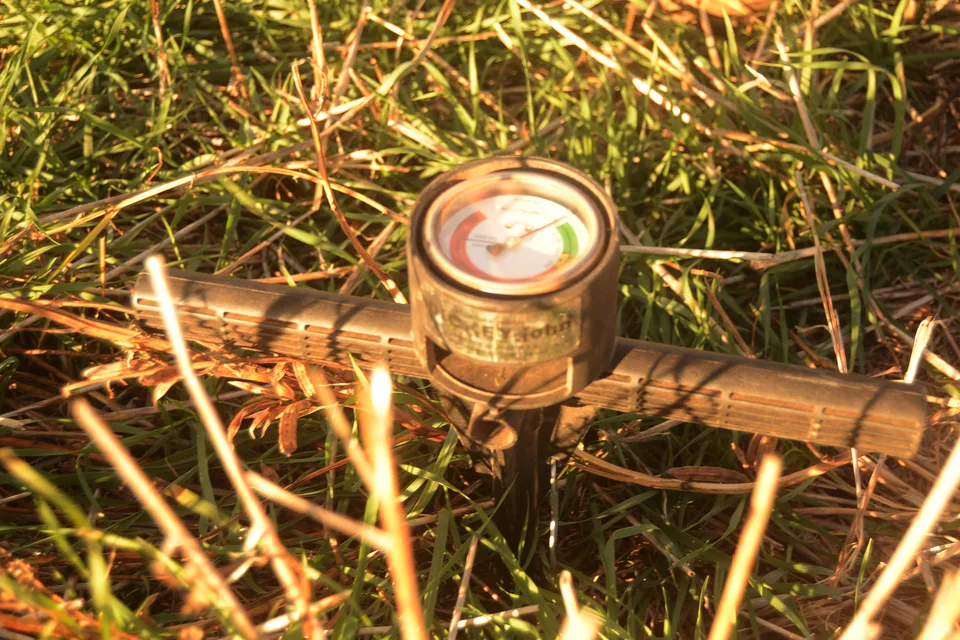
Photo credit and license
Use light watering only where it belongs
Frequent light watering is useful for seed rows and tiny seedlings because their roots occupy the top layer of soil. It also suits a transplant while it is settling in. Once a mature vegetable has roots farther down, repeated surface sprinkling can leave the lower root zone dry while the soil crust looks damp.
Keep moisture more even while tomatoes are sizing fruit. After a dry spell, a sudden flood can make the fruit swell faster than its skin can stretch. That is how radial cracks from the stem or rings around the shoulder form. When a bed cannot take a long run without puddling or draining through, split the weekly water into separate sessions.
Match the run time to your soil and equipment
The run time that works in sandy soil may overwater a clay bed. Sand takes water in quickly but holds less of it, so it often needs a shorter interval between runs. Clay needs a slower delivery. Let a long clay run soak in, then finish it after a pause rather than waiting for water to escape down the path.
Use catch cans to learn what a sprinkler actually delivers. Place matching straight-sided cans across the bed and run the sprinkler for thirty minutes. Then measure the water in each can. If the average is one-half inch, the sprinkler applies about one inch an hour. The difference between cans also shows a missed corner or a wind-distorted pattern. Fix uneven coverage before increasing the run time. Morning gives wet foliage time to dry.
Check for true drought stress early in the morning
Look at a wilted crop before the sun reaches the bed. A plant that is still limp at seven in the morning deserves a root-zone check. If that soil is dry, give it a slow, thorough soak. If the soil is already wet, look for a drainage or root problem instead of adding water.
Soil that stays wet after the surrounding bed dries has lost some of its air space. Check whether the irrigation line is delivering too much in that place. Then correct the drainage or flow problem so roots can take up water again.
Adjust the routine as the garden changes
A spring bed with seedlings does not need the same routine as a July bed full of tomatoes and squash. Hot wind can dry the soil quickly. Mulch slows that loss, and a mature canopy changes where rain or sprinklers land. Check the soil again after a sharp change in weather or plant size.
Mulch cannot make up for an irrigation line that misses the roots. If the same spot dries first after every watering, adjust the delivery there. For gallon targets and emitter math in a raised bed, use the raised-bed watering guide.
Questions gardeners ask
Does deep watering mean I should water only once a week?
No. The useful frequency depends on the crop, soil, and weather. A seedling bed may need light, regular watering, while an established tomato may need a slower soak less often. Check the root zone instead of copying one interval across the garden.
Can a vegetable plant wilt even when the soil is wet?
Yes. Check it early, before direct sun reaches the bed. Wilt with dry soil calls for a slow soak. Wilt with wet soil points to a root-zone problem that watering will not solve.
Which vegetables need water more often?
Seedlings and shallow-rooted crops need closer attention because their roots live in soil that dries first. In established beds, lettuce and onions use the upper soil while tomatoes work farther down. Soil depth and compaction can change the pattern.
How do I know whether a drip line ran long enough?
Check the soil after a run beside an emitter and in the space between emitters. If the working root zone is dry, lengthen the run or improve coverage. If it is saturated or puddling, reduce the flow or split the watering into shorter sessions.
Next natural step
Choose the next garden task
Match the evidence above to what you see, then address the most likely cause before changing anything else.
Open the garden plannerSource notes
- Growing Your Own: Watering vegetable gardens — Oregon State University Extension
- Watering Basics — Oregon State University Extension
- Vegetable irrigation: effective rooting depth and soil texture — Utah State University Extension
- Watering the yard and garden in extreme drought — University of Minnesota Extension
- Growing vegetables in Central Oregon: irrigation — Oregon State University Extension