
Garden Guide
Trap Crops for Garden Pest Management
A trap crop is sacrificial bait, not a repellent planting. Mustard or pak choi can draw flea beetles away from young brassicas when planted ahead of them. Blue Hubbard can draw cucumber beetles and squash bugs toward the edge of a cucurbit patch. The trap plants need regular attention once pests gather. If you cannot inspect and act on them, protect the main crop directly instead.
First check

Photo credit and license
Use this guide
Match the trap crop to the pest you have
A trap crop works only when the pest actively prefers it to the crop you want to harvest. It gives that pest a place to gather where you can deal with it before it moves through the bed. It does not repel insects from the surrounding soil or make the main crop untouchable.
Pick a pairing from a pest you have already confirmed. The most useful home-garden examples are mustard for flea beetles on brassicas and Blue Hubbard for recurring cucurbit pests. Do not add a trap crop simply because a companion-planting chart recommends one.
Plant mustard or pak choi before brassica seedlings
Flea beetles can riddle a new brassica transplant before it has enough leaf area to recover. University of Minnesota Extension reports that Pacific Gold mustard and pak choi have drawn flea beetles away from cole crops in trials. This is the clearest pairing to try when you already know flea beetles are the problem.
Plant the mustard or pak choi about one to two weeks before the brassicas. Give it a border along one side of the bed where you can inspect it without pushing through the crop. The point is to have tender leaves ready before the main seedlings become the easiest meal.
Act when flea beetles load the trap crop
In a small raised bed, mustard is not far from the kale. Look at both plantings each day while flea beetles are active. Fresh holes on the brassicas mean the trap crop is not carrying enough of the pressure.
A trap crop is meant to take the damage. If flea beetles build up there, use a pest control that is labeled for the trap crop and flea beetles, then follow the label. If you do not want to treat the trap planting or cannot check it closely, cover the brassicas instead. A secured row cover is the more dependable choice in a tight bed.
Give Blue Hubbard its own perimeter space
Blue Hubbard is a vigorous winter squash that needs room to run. Plant it along an outer fence or in a dedicated corner, not squeezed into a small bed beside bush zucchini. You need enough space to turn over leaves and reach the lower stems.
University of Minnesota Extension lists Blue Hubbard as a trap crop for cucumber beetles and reports perimeter plantings that draw squash bugs out of the crop. Its vines can also attract squash vine borer. It is useful only when that extra plant has a clear place in the garden and someone is prepared to inspect it.
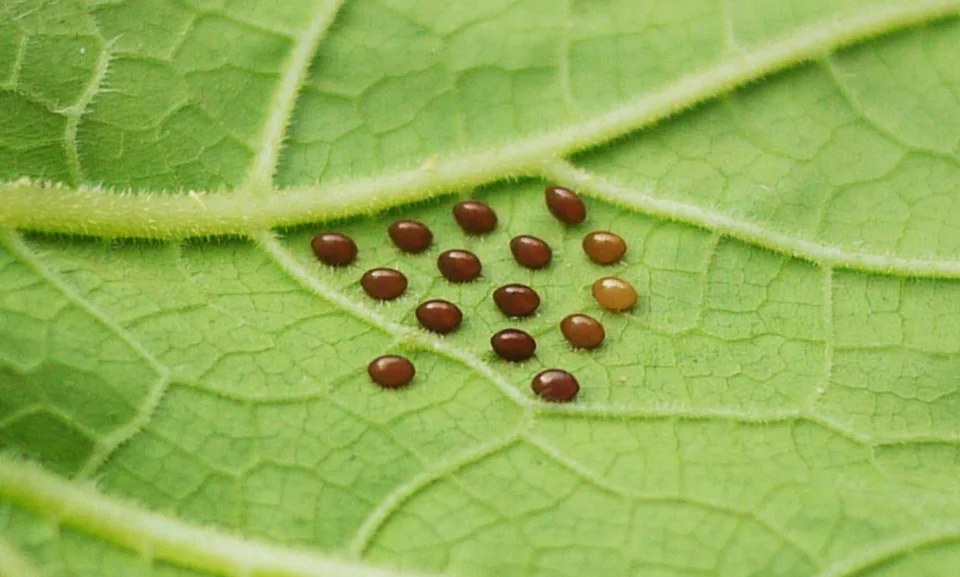
Photo credit and license
Dispatch pests on the trap plants before they spread
For squash bugs, turn over the leaves and scrape off bronze egg clusters. Crush them or drop them into soapy water. Do this while the eggs are still together on the leaf instead of waiting for nymphs to scatter.
For cucumber beetles, swat the adults into a bucket of soapy water when the numbers are small enough to handle. Blue Hubbard can also attract vine borer moths, so inspect its lower stems for eggs during local moth flight. Remove eggs before they hatch. When pest numbers build beyond what you can remove by hand, treat the trap crop only with a product labeled for that pest and crop. The trap planting is where you can keep that work away from the vegetables you plan to pick.
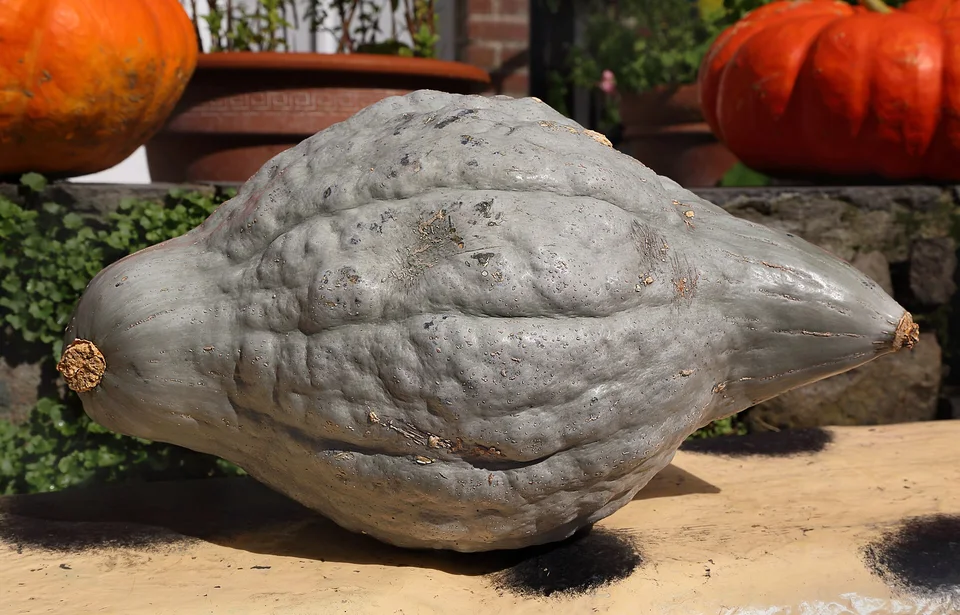
Photo credit and license
Use a cover instead when the space is too tight
Trap crops work best when you have room to keep the bait planting separate and time to inspect it. In one small raised bed, a hungry beetle can move from the trap crop to your seedlings overnight. Do not mistake a few inches of soil for a buffer.
Put a floating row cover over a rotated bed before flea beetles or cucumber beetles arrive. Seal the edges. Remove the cover when cucurbits start flowering so pollinators can reach them. Flowering dill beside tomatoes can support beneficial insects, but that is habitat planting, not trap cropping.
Questions gardeners ask
Will a trap crop work in a small backyard bed?
It can, but only when you can watch the trap plants closely and act as pests gather. In a single tight bed, a secured row cover is usually more reliable because there is no real buffer between the bait plant and your seedlings.
Is Blue Hubbard a cucumber beetle trap crop?
Yes. Blue Hubbard is a common trap-crop choice for cucumber beetles. It can also attract squash bugs and squash vine borers, which means it needs room and regular inspection rather than a spot beside a few zucchini plants.
Can I scatter mustard among my kale instead of planting a border?
A separate border or side of the bed is easier to inspect. Mixed through the kale, a pest-loaded mustard plant can be harder to find and manage without disturbing the crop you want to harvest.
Should I leave pest-covered trap plants alone?
No. A trap crop is sacrificial, but it still needs attention after pests arrive. Scrape off squash bug eggs. For cucumber beetles, knock manageable numbers into soapy water. When pest numbers keep building, treat the trap crop with a labeled product or protect the main crop another way.
Next natural step
Choose the next garden task
Match the evidence above to what you see, then address the most likely cause before changing anything else.
Open the garden planner